Introduction
Receiving a herpes diagnosis can feel overwhelming, but it is important to remember that herpes is one of the most common viral infections worldwide. Millions of people live with herpes, and with the right coping strategies and support, it is entirely possible to lead a healthy and fulfilling life. This article explores practical ways to manage herpes physically, emotionally, and socially.
Understanding Herpes and Its Impact
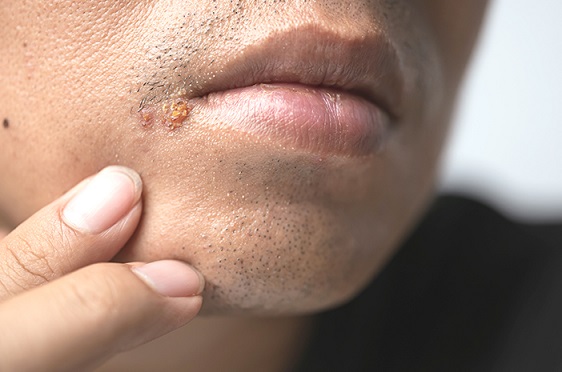
Herpes is caused by the herpes simplex virus (HSV), which comes in two types: HSV-1, usually associated with oral herpes, and HSV-2, more commonly linked to genital herpes. Both types can cause recurring outbreaks of sores and blisters, but symptoms and frequency vary from person to person. Beyond the physical discomfort, the emotional and social effects of herpes can be equally challenging, often leading to feelings of anxiety, shame, or isolation.
Coping with Outbreaks
Managing outbreaks effectively is key to reducing stress and discomfort. Some strategies include:
-
Taking antiviral medications: Drugs such as acyclovir, valacyclovir, or famciclovir can help shorten outbreaks and lower the risk of transmission.
-
Maintaining a healthy lifestyle: Proper rest, regular exercise, and a balanced diet strengthen the immune system, making outbreaks less frequent.
-
Reducing stress: Stress is a common trigger for outbreaks, so practices like meditation, yoga, or deep breathing exercises can help.
-
Soothing discomfort: Using warm baths, over-the-counter pain relievers, and wearing loose-fitting clothing can ease symptoms during outbreaks.
Emotional Coping Strategies
The emotional burden of herpes can be as significant as the physical symptoms. Many people worry about how others will perceive them or how the condition will affect their relationships. Helpful strategies include:
-
Education: Learning accurate information about herpes helps reduce fear and stigma.
-
Counseling and therapy: Talking to a mental health professional can provide tools to manage anxiety and improve self-esteem.
-
Support groups: Connecting with others who have herpes can foster understanding and reduce feelings of isolation.
Communicating with Partners
One of the most stressful aspects of living with herpes is disclosing the condition to a partner. Open, honest communication is crucial:
-
Choose the right time: Have the conversation when you both feel calm and have privacy.
-
Be honest but positive: Explain the facts about herpes, its prevalence, and how it can be managed safely.
-
Discuss protection: Talk about preventive measures such as antiviral medication and condom use to reduce transmission risks.
Many people are understanding once they receive accurate information, and honest communication often strengthens trust in relationships.
Building a Support System
Living with herpes becomes easier with the right support system. Friends, family, and healthcare providers can provide encouragement and guidance. Support groups, both online and offline, are valuable spaces where individuals can share experiences, advice, and emotional support.
Conclusion
Living with herpes involves more than just managing physical symptoms—it requires emotional resilience, honest communication, and a strong support system. With the right coping strategies, individuals can live full and healthy lives while minimizing the impact of the virus. For ongoing updates and reliable health information, yeemanews.com offers valuable resources to keep people informed and empowered in their journey to wellness.